Skip to product information
1 of 3

Bucephalandra Ghost Brownie

Bucephalandra Ghost Brownie

Quantity

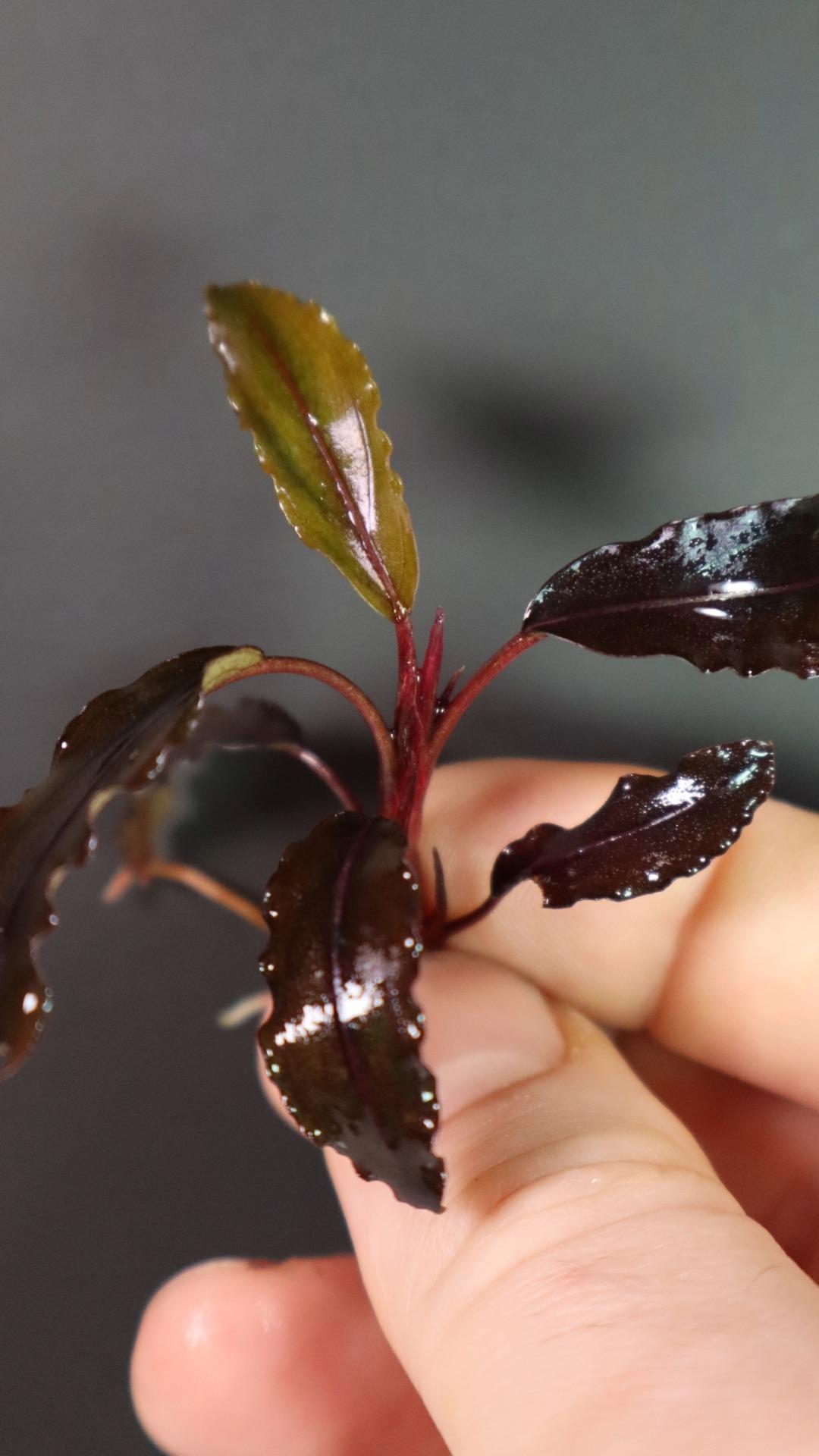
Bucephalandra Ghost Brownie – Bucephalandra sp. “Ghost Brownie” is a rare collector Bucephalandra with slow compact growth, strong leaf texture, and mysterious dark tones that can shift between deep green, brown, bronze, grey-blue, and subtle metallic shades depending on aquarium conditions. Its darker colour makes it excellent for creating depth around hardscape and adding premium detail to planted aquariums.

💎 Collector: Ghost Brownie is best for aquascapers who appreciate rare, slow-growing rhizome plants with unique colour variation. It does not require CO₂, but it looks best in stable aquariums with clean water, gentle flow, controlled light, and patience.

View full details

Ideal for Nature Aquarium, jungle, riverbank, blackwater-inspired, nano, and collector aquascapes
Its dark compact leaves create a natural shadow effect around driftwood, lava rock, and stone, making the layout feel older, deeper, and more mature.

Rare dark-toned Bucephalandra variety
Ghost Brownie stands out from brighter green plants by adding bronze, brown, smoky green, and sometimes bluish metallic tones under aquarium lighting.

Perfect for hardscape detail work
Use it on small stones, wood roots, lava rock, or shaded hardscape pockets where its compact leaves can create a premium foreground-to-midground detail.

Excellent contrast with bright plants
Its darker foliage looks especially strong beside Cryptocoryne flamingo, Monte Carlo, Hydrocotyle tripartita, Marsilea hirsuta, Staurogyne repens, Limnophila aromatica, and lighter green mosses.

Beautiful with colourful fish and shrimp
The darker leaves make bright livestock stand out clearly, especially chili rasboras, ember tetras, green neon tetras, celestial pearl danios, blue bettas, honey gouramis, red cherry shrimp, orange neocaridina shrimp, blue dream shrimp, and crystal red shrimp.

Slow-growing and low-maintenance
Because it grows slowly, Ghost Brownie does not require frequent trimming and works well in long-term aquascapes where structure, detail, and stability matter more than fast growth.

Origin: Borneo

Type: Rhizome plant / attached plant

Growth Rate: Slow

Size: Height: 3–8 cm / 1–3 in Width: 3–10 cm / 1–4 in depending on age, light, and growing conditions

Natural Habitat: Bucephalandra species naturally grow along shaded tropical streams and riverbanks in Borneo. They attach to rocks, roots, and hard surfaces in areas with high humidity, clean moving water, and seasonal changes in water level. Many forms can grow both emersed and submerged.

Special Considerations: Do not bury the rhizome. The rhizome must stay exposed above the substrate or attached to hardscape. Burying it can cause rot. Because Ghost Brownie is slow-growing, very strong light or unstable nutrients can encourage algae on older leaves. It performs best in stable, mature aquariums with gentle water movement.

Did You Know?
Many Bucephalandra trade names describe their colour, collection form, or farm line rather than a formally described species. “Ghost Brownie” is valued for its darker, smoky tones and subtle colour shifts, which can look different depending on light intensity, nutrients, and whether the plant is newly adapted or fully established underwater.

Tank Size: Suitable for aquariums 20 L / 5 gallons or larger, including nano tanks, shrimp tanks, betta tanks, and detailed collector aquascapes.

Plant Placement: Best used as a foreground to midground attached plant. Place Ghost Brownie on lava rock, driftwood, small aquascaping stones, or shaded hardscape ledges. It works especially well near Cryptocoryne wendtii Brown, Cryptocoryne parva, Bucephalandra Kedagang, Anubias nana Petite, Taiwan Moss, Pogostemon helferi, or a bright carpet such as Monte Carlo to create strong colour and texture contrast.

Compatibility: Suitable for peaceful freshwater aquariums with bettas, rasboras, tetras, gouramis, Corydoras, kuhli loaches, Otocinclus, shrimp, and snails. Its dark leaves create excellent contrast with red-orange fish like ember tetras and chili rasboras, blue fish like green neon tetras and blue bettas, and bright shrimp such as red cherry shrimp, orange neocaridina, and blue dream shrimp. Shrimp may also graze biofilm from the leaf surface and roots.

Substrate: Substrate is not required. Ghost Brownie is best attached to lava rock, driftwood, or aquascaping stone. If placed near the substrate, keep the rhizome above the surface and allow only the roots to grow downward.

Light: Low to medium (15–45 PAR).

Temperature: 22–28°C / 72–82°F

pH: 5.5 – 7.5

GH: 2–12 dGH

CO₂: Not required.

Care & Propagation:
Remove older, damaged, or algae-covered leaves close to the rhizome using clean scissors. To propagate, divide the rhizome into healthy sections once mature, making sure each section has several leaves and roots. Reattach each section to wood or stone and allow it to anchor naturally.

Portion Size: 1 carefully selected Bucephalandra Ghost Brownie portion, freshly packed and ready for aquarium placement.

Plant Size: Small rhizome portion with healthy leaves and visible roots. Size may vary depending on current stock and growth stage.

Plant Type: Rare rhizome aquarium plant / attached plant. Best attached to lava rock, driftwood, or aquascaping stone.

Snail-Free & Aquarium Safe: Plants are grown without chemicals that could harm fish, shrimp, or other aquarium inhabitants and are carefully inspected to ensure they are snail-free.

Transition After Shipping: Some leaves may melt, darken, curl, or change appearance after shipping as the plant adapts to new aquarium conditions. This is common with Bucephalandra, especially after import or transition from emersed to submerged growth. Keep the rhizome exposed, provide stable water conditions, and allow time for new underwater leaves to develop.

Planting Guide

  1. Remove the protective plastic packaging.
  2. Rinse the plant gently with clean water.
  3. Inspect the rhizome and remove any damaged or soft leaves.
  4. Do not bury the rhizome in substrate.
  5. Attach the plant to lava rock, driftwood, or stone using aquarium-safe glue, cotton thread, or fishing line.
  6. Place it in low to medium light with gentle water movement.
  7. Avoid placing it directly under very strong light until established.
  8. Allow the roots to naturally grip the hardscape over time.

Tip
Use Bucephalandra Ghost Brownie as a dark detail plant around lava rock, shaded driftwood roots, or the base of larger hardscape. Its smoky brown-green leaves look especially refined beside bright carpets, pink Cryptocoryne, and orange or red schooling fish, creating a stronger sense of depth in small aquascapes.